
New Specialty Soybean Contracts Available to Mid-Atlantic Farmers
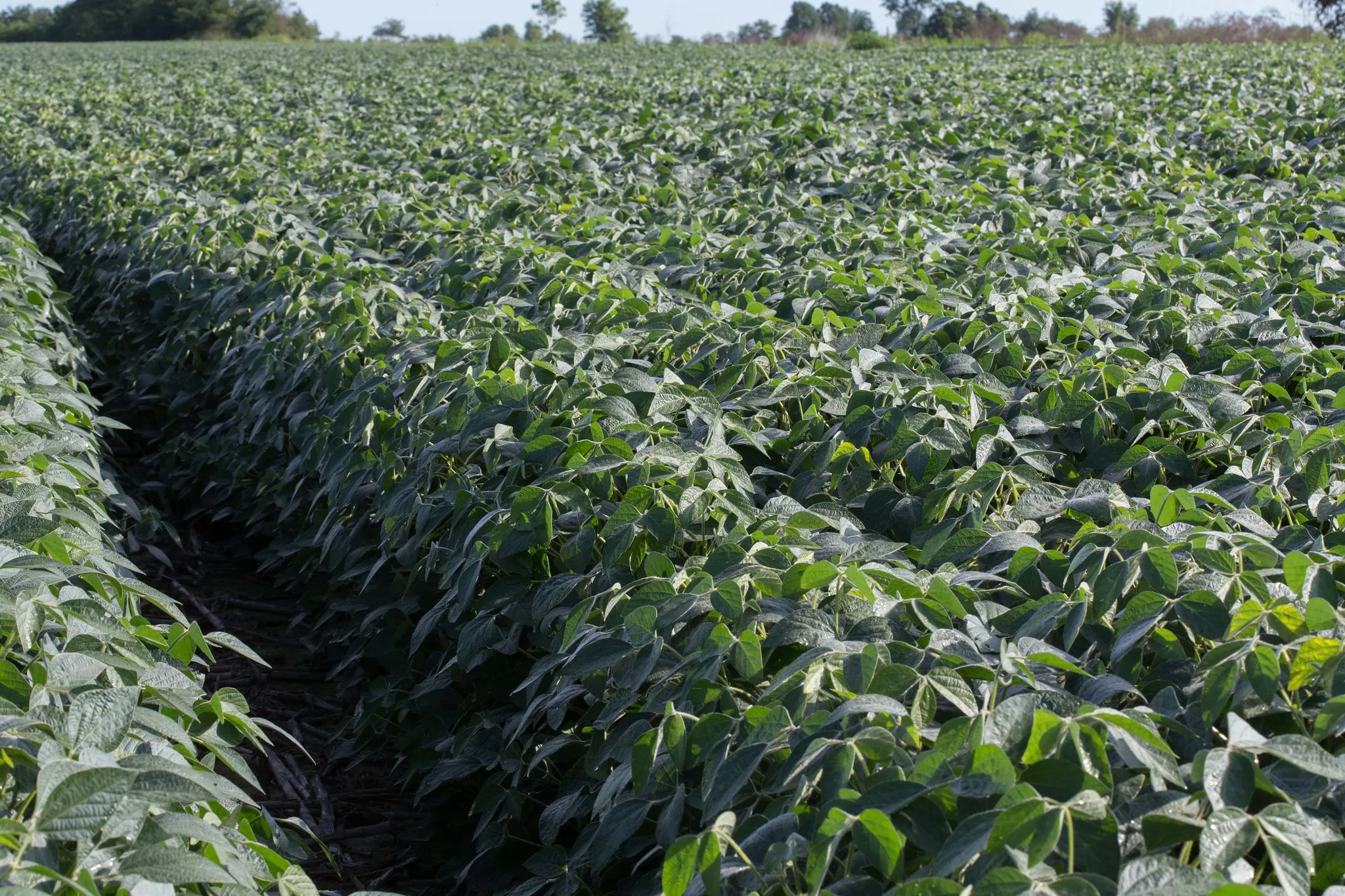
Soybean farmers in Maryland, Virginia, West Virginia, Delaware, Pennsylvania and New Jersey have new access to specialty contracts and their premiums to grow high oleic soybeans.
Mid-Atlantic farmers can lock in new premiums by selecting high oleic soybeans for the 2021 growing season. Many Delmarva-area farmers have already decided to take advantage of this opportunity due to the minor adjustments needed from growing commodity soybeans and expanded convenient delivery location options accepting Plenish® high oleic soybeans from Corteva.
Maryland-based Perdue AgriBusiness has increased per bushel premiums for 2021 in hopes of encouraging more of the region’s farmers to grow high oleic soybeans to meet growing demand for refined high oleic oils. Mid-Atlantic soybean farmers have already received more than $10 million in premiums since the program began.
Eddie Mercer Agri-Services, Inc. in Frederick, Maryland, has joined the growing list of delivery locations offering attractive premiums between 50 and 65 cents per bushel to farmers for both harvest delivery and on-farm storage — with an additional 10 cents per bushel premium for farmers that contract 100% in high oleic varieties. This central location opens the door to many farmers in the region.
“This is a great opportunity for farmers to add extra value to their land and crop,” said United Soybean Board farmer-leader Belinda Burrier, who grows high oleic soybeans in Maryland. “It’s really a no-brainer when you look at how similar it is to grow high oleic varieties if you’ve ever grown commodity beans.”
In today’s economic and market conditions, a modest boost with these specialty soybeans can be a huge help to farmers. A recent study indicated if high oleic growth continues as projected, a 1,000-acre soybean farmer will net between $34,000 and $50,000 more from soybean farming as a result of higher prices driven by high oleic demand. Perdue AgriBusiness is one of the biggest demand drivers for high oleic soybeans in the region.
“There is growing demand in the food industry for high oleic soybeans due to their performance and health benefits,” said Perry Aulie, Senior Vice President of Value Add for Perdue AgriBusiness. “We are thrilled to partner with Mercer, and we are also seeking 175,000 acres of high oleic soybeans this year. We project a need for 350,000 acres for spring of 2022.”
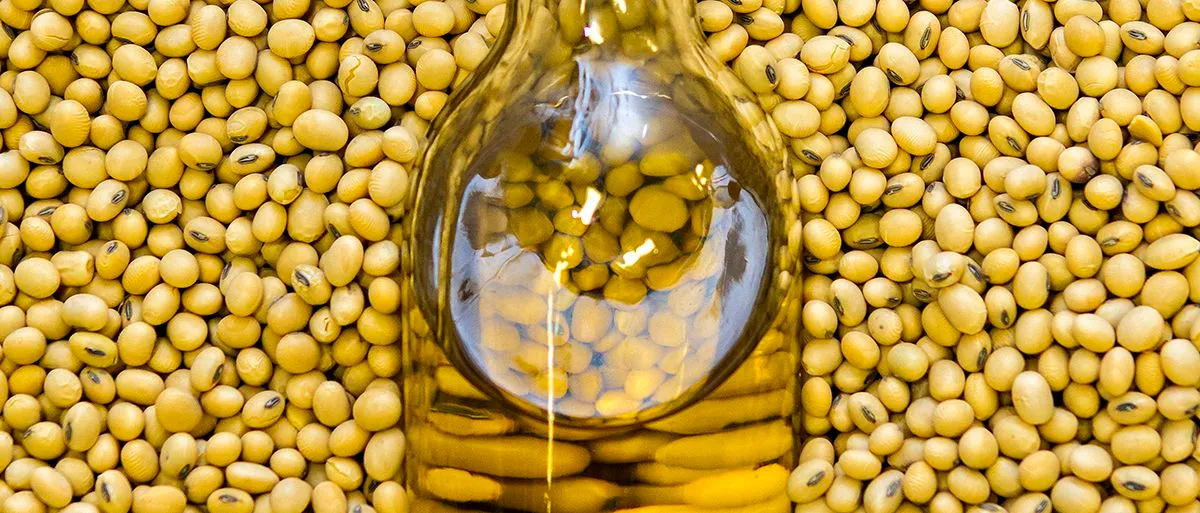
By supplying a product that meets the demand of sustainable and biobased alternatives, high oleic soybeans are adding long-term value for all U.S. soybean farmers.
For end users, these high oleic varieties offer increased functionality for the food sector and industrial applications, which has revolutionized the soybean value chain. For the food sector, it extends fry life, increases stability and provides less saturated fat than comparable conventional oils. It also offers new innovations for industrial uses, such as synthetic motor oil, tires, shoes and asphalt.
“High oleic soybeans innovate and grow current markets while giving the consumer a product that they want and the farmer the premium that they need,” said Burrier.
Farmers eager to learn where and how they can access high oleic soybean contracts for their farm can visit the USB website for high oleic soybeans at soyinnovation.com, or contact their seed representative to ask about high oleic soybeans. Elevator and processor locations throughout the U.S. offer contracts to growers for either on-farm storage or defined amounts of harvest delivery for high oleic soybean varieties.
Participating elevators in the Delmarva region include:
- Perdue AgriBusiness, LLC — Salisbury, Maryland
- Boyle Brothers — Queen Anne, Maryland
- Eddie Mercer Agri-Services, Inc. — Frederick, Maryland
- Milford Grain — Milford, Delaware
- Perdue AgriBusiness, LLC — Berlin, Maryland
- Perdue AgriBusiness, LLC — Bridgeville, Delaware
- Perdue AgriBusiness, LLC, Red Bird-Bridgeton — Woodstown, New Jersey
- Perdue AgriBusiness, LLC — Marietta, Pennsylvania
- Perdue AgriBusiness, LLC, Shiloh — Hurlock, Maryland
- Perdue AgriBusiness, LLC — Sudlersville, Maryland
- Perdue AgriBusiness, LLC — Tappahannock, Virginia
- Schiff Farms — Harrington, Delaware
Use the lookup tool at soyinnovation.com for the full list of delivery locations.
About United Soybean Board: United Soybean Board’s 78 volunteer farmer-directors work on behalf of all U.S. soybean farmers to achieve maximum value for their soy checkoff investments. These volunteers invest and leverage checkoff funds in programs and partnerships to drive soybean innovation beyond the bushel and increase preference for U.S. soy. That preference is based on U.S. soybean meal and oil quality and the sustainability of U.S. soybean farmers. As stipulated in the federal Soybean Promotion, Research, and Consumer Information Act, the USDA Agricultural Marketing Service has oversight responsibilities for USB and the soy checkoff. For more information on the United Soybean Board, visit unitedsoybean.org.
About Maryland Soybean Board: The checkoff program is funded by farmers through an assessment of one-half of one percent of the net market value of their soybeans at the first point of sale. One-half of the checkoff funds stay in Maryland for programs; the other half is sent to the United Soybean Board. Maryland farmers grow about a half a million acres of soybeans, producing more than 20 million bushels of beans each year. With a value of $173 million to the state’s economy, soybeans are one of Maryland’s top crops.
# # #
Danielle Bauer, Executive Director
Maryland Soybean Board
Office: 443.812.4526
danielle@mdsoy.com
Burrier Elected First Female Chair of Maryland Soybean Board

Belinda Burrier, Chair, Maryland Soybean Board

Burrier married into the farming lifestyle. When she and her husband Dave, purchased his families farm back in 2002, she was all in. “Even though I didn’t have a farming background, I did grow up with my dad being a land surveyor, and I’ve always liked the outdoors – and I’m willing try anything,” she explains.
Belinda began attending MSB meetings during Dave’s term on the board. After his term ended, she was a natural fit to fill the vacancy, as she was already knowledgeable about the work that the board was doing. She attributes herself as bringing diversity to the board, not only by being the first female, but also coming from a non-farm background. “I was honored to be appointed to the boards, and felt that I could contribute a different perspective,” comments Burrier.
Burrier officially assumed this duty with the start of MSB’s new fiscal year on October 1. She succeeds Brian Johnson of Westover as Chair. Johnson remains on the board, serving in the role of Vice Chairman.
Additionally, MSB welcomed two new farmer directors to the board in their new fiscal year. Eddie Boyle of Cordova was elected to represent the Upper Shore, and Steve Walter of Hughesville was elected to represent Southern Maryland.
Ten farmer-directors volunteer their time on the Maryland Soybean Board, which administers soybean checkoff funds for soybean research, marketing and education programs in the state. Also currently serving are Joshua Appenzeller of Millington, Dale Brown of Denton, Randy Stabler of Brookeville, Jason Spicer of Church Creek, and Evan Staley of Union Bridge. Curt Lambertson of Stockton serves as Treasurer. April Cheesman of Perdue Farms, Inc., Jim Lewis of the University of Maryland Extension Service, and Mark Powell of the Maryland Department of Agriculture serve as ex-officio members.
In Maryland, farmers grow about a half a million acres of soybeans, producing more than 20 million bushels of beans each year. With a value of $173 million to the state’s economy, soybeans are one of Maryland’s top crops.
The checkoff program is funded by farmers through an assessment of one-half of one percent of the net market value of their soybeans at the first point of sale. One-half of the checkoff funds stay in Maryland for programs; the other half is sent to the United Soybean Board.
# # #
Danielle Bauer, Executive Director
Maryland Soybean Board
Office: 443.812.4526
danielle@mdsoy.com
MSB Launches Road Safety Campaign with Naming Contest
As combines take to the fields to harvest fall crops, the risks of accidents on rural roads rises. Slow-moving vehicles (such as farm machinery, animal-drawn vehicles and construction equipment), are identified as traveling at speeds of 25 m.p.h. or less, and can pose a serious risk to drivers who are unaccustomed with the measures required to safely travel the roads with them.
Decre
“We’ve had many farmers tell us they had to drive off the road to avoid a vehicle trying to pass them when oncoming vehicles were headed their way,” commented Brian Johnson, MSB Chair. “Auto crashes involving farm vehicles or equipment can be costly both in terms of property damage and injuries, and in some circumstances, result in fatalities. We want to minimize these occurrences.”
This education campaign is one strategy from the MSB-funded road safety study, which provided insight into causes of accidents and recommendations for improved safety. The research showed that accidents frequently involved more than just farm equipment, and education about all SMV vehicles was needed.
The number of farm vehicle crashes grows each year. Not surprisingly, they most frequently occur during peak farming season – June through October. Over 75% occurred during daylight hours, with only 16.5% occurring in the dark. Over 72% occurred in clear weather, while only 9% occurred in precipitation – rain, sleet, or snow.
“We applaud the work of organizations that share information with drivers to improve road safety,” stated Johnson. “MSB wants to increase the impact of these efforts in improving road safety and reach a full range of stakeholders. We invite anyone interested in making our drives safer to team with us to lower the accident rate on Maryland roads.”
Driver tips and the name contest is at www.findmedriving.com. The Maryland Rural Roads Safety Study is available here: www.mdsoy.com/md-rural-road-safety-study/.
For More Information:
Danielle Bauer, Executive Director
Maryland Soybean Board
443-812-4526 | danielle@mdsoy.com
www.mdsoy.com
MSB Seeks Research Projects
The Maryland Soybean Board (MSB) is looking for research projects focused on soybean production and animal agriculture for the 2021 growing season. Pre-proposals are now being accepted through October 15, 2020.
“We encourage researchers to submit new project ideas that align with our priorities,” says Joshua Appenzeller, Chair of the MSB Research Committee and farmer from Queen Anne’s County. “The pre-proposal process allows the Board to identify projects of interest that can then be detailed in a full proposal.”
Production research priorities include:
- Variety development and trials: Yield, Quality, Population, Salt-tolerance
- Nematodes: Race identification and control, Resistance
- Weed control: Low rate chemical usage, Herbicide resistance, Herbicide trials
- Pest Management: Pesticide trials, Bio-pest controls, Drought management, Irrigation
- Cover Crop
- Disease Control
- Deer Damage Control
Of equal priority, Animal Agriculture priorities include aquaculture, soy meal and soy oil.
The application form for pre-proposals is available at www.mdsoy.com/research. Applications must include this form without any attachments. Researchers who plan to submit proposals to continue previously funded research are not required to submit a pre-proposal. Applicants for which their project was selected for submission of a full proposal will be notified during the first week of November.
The Maryland Soybean Board administers soybean checkoff funds for soybean research, marketing and education programs in the state. It is funded by farmers through an assessment of one-half of one percent of the net market value of soybeans at their first point of sale. One-half of the checkoff funds stay in Maryland for programs; the other half is sent to the United Soybean Board.
Maryland farmers grow about half a million acres of soybeans, producing more than 20 million bushels of beans each year. With a value of nearly $200 million to the state’s economy, soybeans are one of Maryland’s top crops. For more information on the Maryland Soybean Board, visit www.mdsoy.com.
For More Information:
Danielle Bauer, Executive Director
Maryland Soybean Board
443-812-4526 | danielle@mdsoy.com
www.mdsoy.com
Archives
No Results Found
The page you requested could not be found. Try refining your search, or use the navigation above to locate the post.