
19 Farmer-Leaders Appointed to United Soybean Board
Maryland’s Belinda Burrier was one of 12 returning directors sworn in to the United Soybean Board at its annual meeting Dec. 6 in St. Louis.
A total of 19 farmer-directors were appointed by U.S. Agriculture Secretary Sonny Perdue. Burrier, of Union Bridge, and William Layton of Vienna represent Maryland on the United Soybean Board.
The volunteer farmer-leaders of USB direct soybean checkoff funds to research, marketing and promotion efforts that maximize profit opportunities for all U.S. soybean farmers. To increase the value of U.S. soy, the checkoff works with partners in the value chain to identify and capture opportunities in areas where U.S. soybean farmers can most effectively differentiate their product: meal, oil and sustainability.
“The largest customers of U.S. soy are demanding more value within the bean itself,” says John Motter, USB chair and soybean farmer from Jenera, Ohio. “The expertise and vision of these farmer-leaders will challenge us to look at innovations beyond just growing more bushels to meet the needs of our customers around the world and boost the profit potential of U.S. soybean farmers.”
USB’s 73 farmer-directors work on behalf of all U.S. soybean farmers to achieve maximum value for their soy checkoff investments. These volunteers invest and leverage checkoff funds in programs and partnerships to drive soybean innovation beyond the bushel and increase preference for U.S. soy. That preference is based on U.S. soybean meal and oil quality and the sustainability of U.S. soybean farmers. As stipulated in the federal Soybean Promotion, Research and Consumer Information Act, the USDA Agricultural Marketing Service has oversight responsibilities for USB and the soy checkoff.
Top Ways the Soybean Checkoff is Responding to the Tariff
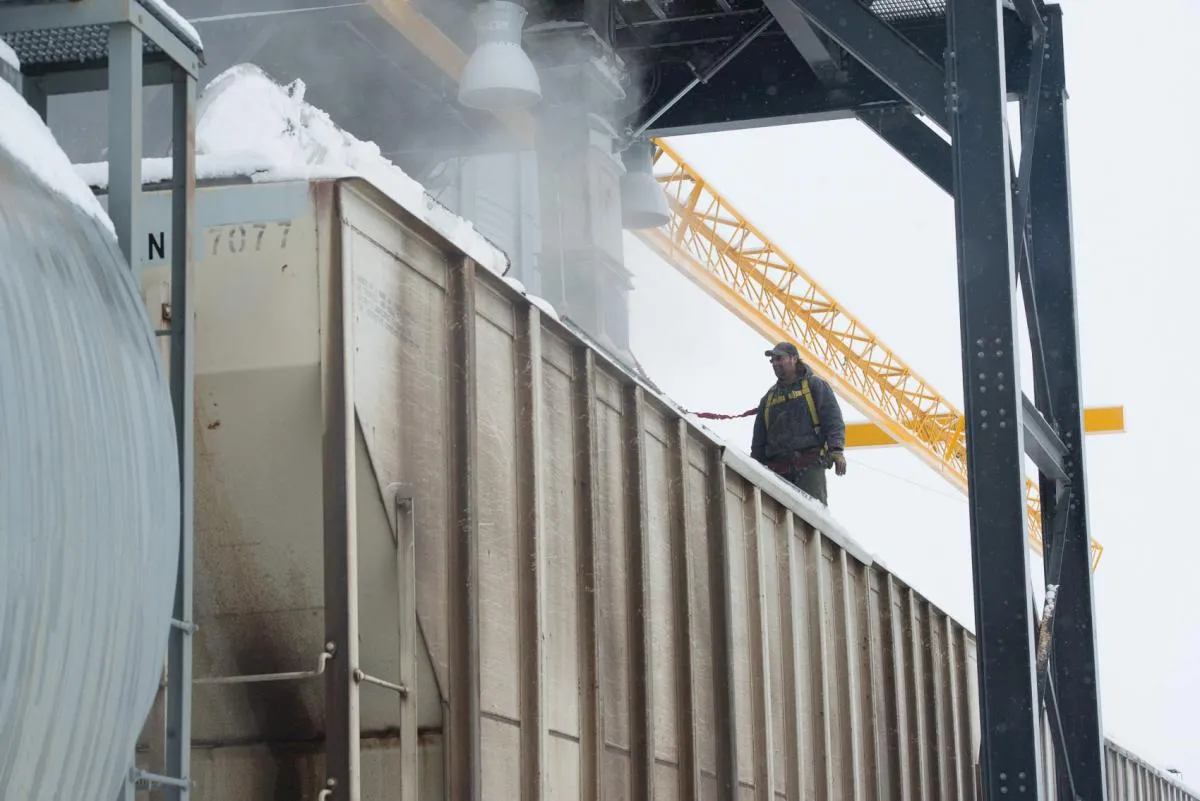
About half of the U.S. soybean crop is exported, with China representing about 60 percent of that half. That means the market took a 30 percent hit – which is sizeable. The soybean checkoff has taken measures over time to protect our farmers and is responding today with new measures:
- Reaching out to new customers to create new demand, and touching base with old customers to get them to build stocks of U.S. beans, thanks to work by the U.S. Soybean Export Council (USSEC).
- Encouraging poultry industries here and abroad to increase production, again through USSEC. American soybeans offer the highest quality, strongest sustainability, best nutritional profile, and best value to the world’s poultry and livestock farmers.
- Providing information and support about the importance of exports to the U.S. soybean market to the government and to our strategic partners, and responding to opportunities to engage new funding for export marketing programs.
- Building domestic demand by supporting the use of biodiesel, which is now a more than 7 billion gallon market.
- Investing in domestic demand by incubating new uses of soybeans. Each year the checkoff announces the debut of about a dozen new soy-based products and in the past decade, has increased demand for new uses by almost 700 percent.
- Researching new ways to improve the bottom line for farmers by reducing cost of production and protecting yield.
- Adding value to your beans by launching varieties with customer-focused benefits – High Oleic being a prime example.
The Maryland Soybean Board administers soybean checkoff funds for soybean research, marketing and education programs in the state. It is funded by farmers through an assessment of one-half of one percent of the net market value of soybeans at their first point of sale. One-half of the checkoff funds stay in Maryland for programs; the other half is sent to the United Soybean Board.
In Maryland, farmers grow about a half a million acres of soybeans, producing more than 20 million bushels of beans each year. With a value of $173 million to the state’s economy, soybeans are one of Maryland’s top crops.
# # #
For More Information:
Susanne Zilberfarb, Executive Director
Maryland Soybean Board
Office: 410.430.2613
Maryland Soybean Board Funds Soybean Research
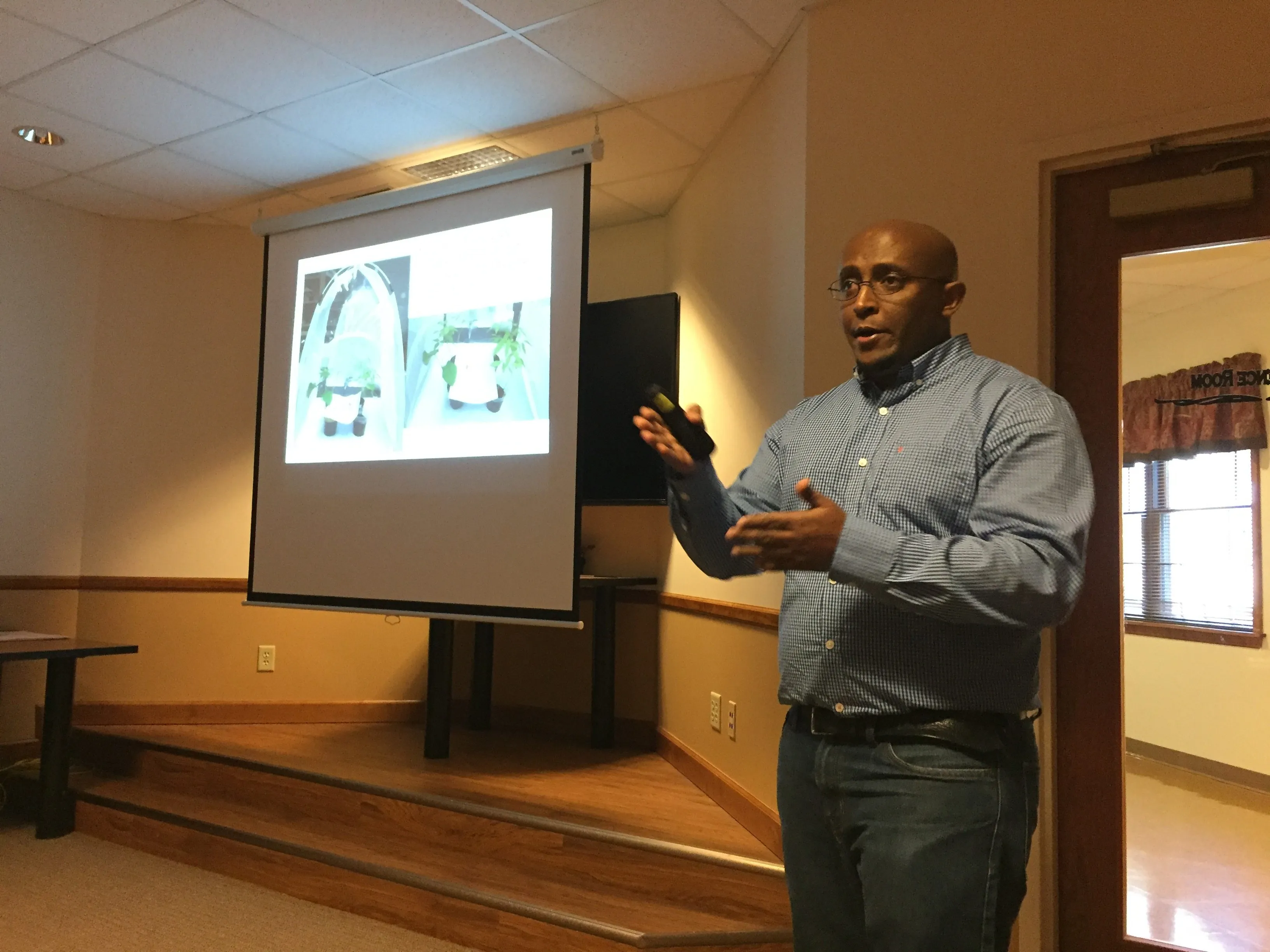
The Maryland Soybean Board administers soybean checkoff funds for soybean research, marketing and education programs in the state. It is funded by farmers through an assessment of one-half of one percent of the net market value of soybeans at their first point of sale. One-half of the checkoff funds stay in Maryland for programs; the other half is sent to the United Soybean Board for national and international projects.
Soybean research projects receiving funding for 2019 are:
- Effects of Planting Population on Yield in Full Season Soybeans, Kelly Nichols, UMD Extension, $1,840
- Evaluating Germination Patterns of Horseweed in the Mid-Atlantic Region, Matt Morris, University of Maryland, $2,937
- Evaluating Integrated Approaches to Manage Herbicide Resistance, Ben Beale, University of Maryland, $10,611
- Evaluation of Growth-Promoting Products for Soybean Production in Maryland, Andrew Kness, University of Maryland Extension, $5,426
- Evaluation of Miravis Neo for Soybean Production in Maryland, Andrew Kness, University of Maryland Extension, $4,869
- Extending the Growing Season to Get More Payback from Cover Crops, Ray Weil, UMD Environmental Science and Technology, $19,287
- Having a Bitter Bite? The Use of Cover Crop to Manage Slugs, Ivan Hiltpold, UD Entomology & Wildlife Ecology, $9,230
- Identification of New Sources of Resistance/Tolerance to Sclerotinia sclerotiorum among Soybean Germplasm Showing Resistance to Phytophthora sojae, Kate Everts, UMD and Benham Khatabi, UMES, $24,000
- Improving Detection of Dectes Stem Borer for Developing Spray Recommendations in Soybeans, Alan Leslie, UMD Entomology, $16,895
- Incidences, Densities, Races, and Virulence of Soybean Nematodes in Maryland, Nidhi Rawat and Ramesh Pokharel, UMD Plant Sciences, $21,608
- Managing Herbicide Resistant Common Ragweed Emergence and Growth in Soybeans, Sarah Hirsh, UMD Eastern Shore, $9,323
- Maximizing Yield and Quality of Mid-Atlantic Soybean Production with Soil Sulfur Management, Ray Weil, UMD Environmental Science and Technology, $20,866
- Phosphorus Runoff from No-Till Soils: Do Cover Crops Make It Better or Worse? Ray Weil, UMD Environmental Science and Technology, $18,219
- Quantifying the Incidence of Yield Reducing Soilborne Pathogens in Soybean Production, Alyssa Koehler, UDE Plant & Soil Sciences, $5,423
- Reducing Deer Damage to Corn Using Forage Soybean as Biological Fencing, Jason Wight, UMD Plant Science, $15,280
- Study the Occurrence and Distribution of Virus Infecting Soybean from Delmarva, Behnam Khatabi, UMD Eastern Shore, $15,000
In Maryland, farmers grow about half a million acres of soybeans, producing more than 20 million bushels of beans each year. With a value of $173 million to the state’s economy, soybeans are one of Maryland’s top crops.
# # #
For More Information:
Susanne Zilberfarb, Executive Director
Maryland Soybean Board
Office: 410.430.2613
Davis Retires From Maryland Soybean Board
(SALISBURY, MARYLAND) – July 27, 2017 – After nearly four decades of service to the Maryland Soybean Board, Sandy Davis is retiring effective Sept. 30.
Davis, who began her career with the soybean board March 3, 1980, has been executive director of the board since 1995. During her career, she also worked with two soybean membership associations, four state checkoff boards and acted as advisor to five state boards.
“It has been a privilege to work with Maryland farmers and the soybean industry,” Davis says. “Over the years I have met many wonderful people and seen the industry grow.”
Susanne Zilberfarb, who has more than two decades of service to the board as a communications contractor, will succeed Davis as executive director. Davis will continue to work part-time as Financial and Compliance Coordinator for the Maryland Soybean Board.
Davis and Zilberfarb have collaborated on several major initiatives on behalf of soybean farmers and the agricultural industry. In 2012 they spearheaded the Mid-Atlantic Farmers Feed Us grocery sweepstakes to encourage consumers to learn about agriculture. For the past decade the duo was responsible for bringing more than a million national checkoff dollars back to Maryland and Delaware to support the poultry and livestock industries. Most recently they collaborated to bring more national resources to the region to support the development of a regional research consortium now known as the Atlantic Soybean Council. Together, they administer the Delaware Soybean Board programs as well.
The Maryland Soybean Board administers soybean checkoff funds for soybean research, marketing and education programs in the state. It is funded by farmers through an assessment of one-half of one percent of the net market value of soybeans at their first point of sale. One-half of the checkoff funds stay in Maryland for programs; the other half is sent to the United Soybean Board.
In Maryland, farmers grow about a half a million acres of soybeans, producing more than 20 million bushels of beans each year. With a value of $173 million to the state’s economy, soybeans are one of Maryland’s top crops. For more information on the Maryland Soybean Board, visit www.mdsoy.com. You can read Davis’ retirement statement here.
# # #
For More Information:
Sandra Davis, Executive Director, Maryland Soybean Board
Office: 410.742.9500
sdavis26@verizon.net
Archives
No Results Found
The page you requested could not be found. Try refining your search, or use the navigation above to locate the post.